






































 "QUANTUM SHOT" #320 "QUANTUM SHOT" #320link "Found" objects + "mixed media" = fanciful art As a sort of combined follow-up to our "Robotic Art" series (see parts 1, 2 & 3) and recently popular "New ways to play with an old hardware", we gathered more examples of creative recycling and artistic experimentation with mixed media and "everyday" objects. Maybe it'll inspire you to go tinker in your own kitchen and yard - hoping that your wife would understand and maybe even share the excitement. Frog Enhancement Sculptures - Frogs just want to have fun. Mila Kalnitskaya & Micha Maslennikov decided that Mother Nature cheated frogs out of the ability to fly, so they need some outside help for that. Of course, "no animal was hurt during the art process, etc." 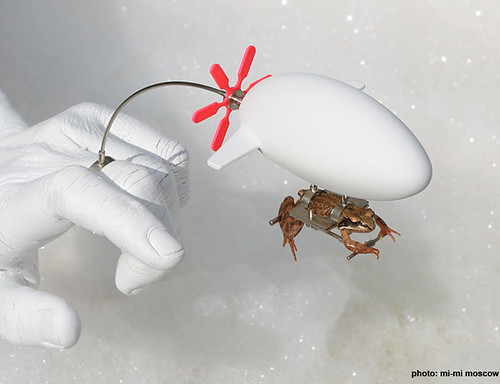 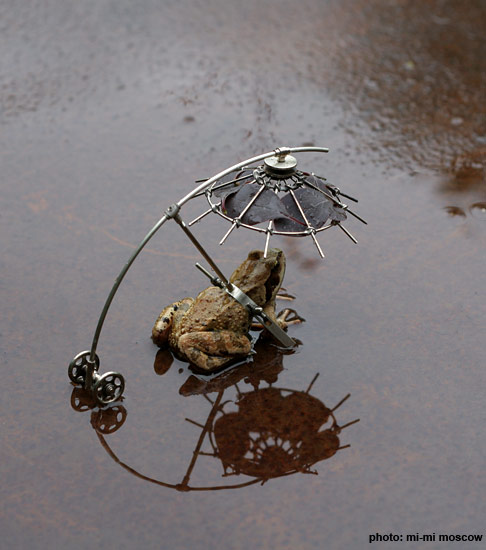 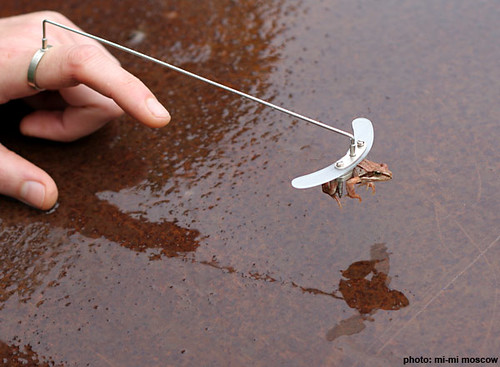 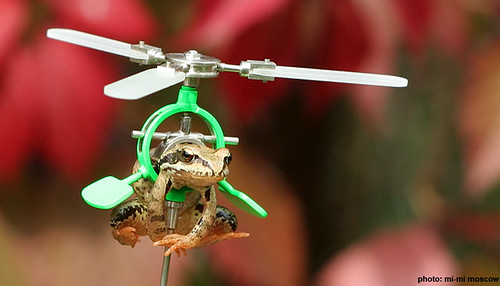 (image credit: mi-mi) Recycle your computer: new ideas What, you still have your old computer hanging around and not playing part in your home improvement? Here is some ideas for its recycling: (most of the following creations are by Alex Andromeda) Make some light fixtures: 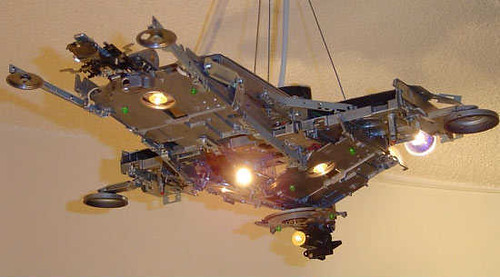  or a custom camera stand: 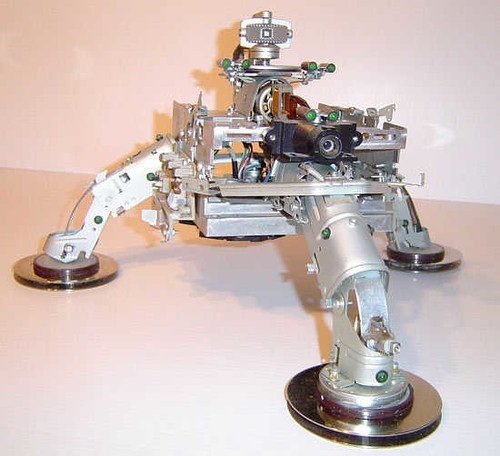 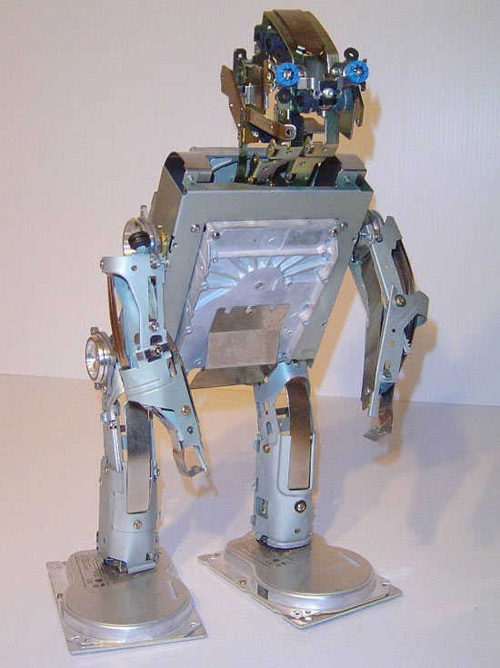 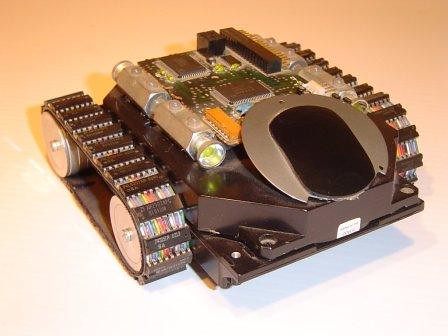 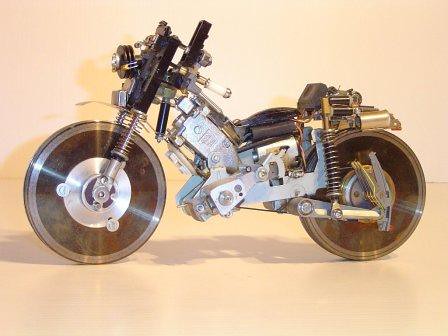 (images credit: Alex Andromeda) 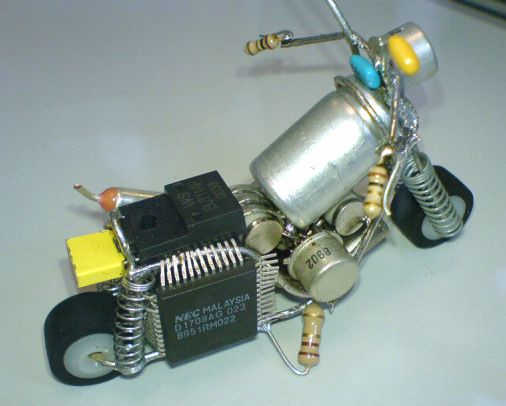 (image credit: exler) Make yourself an office pet: 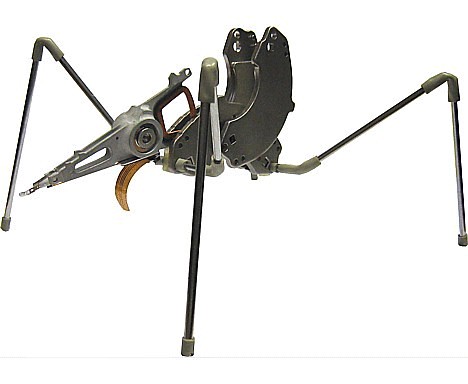 Improve your accessories:  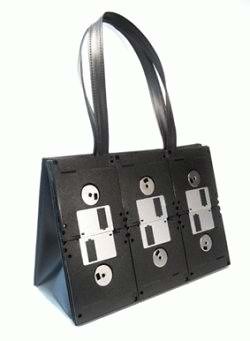 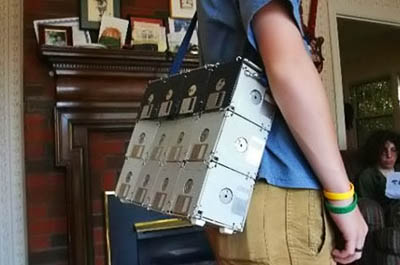 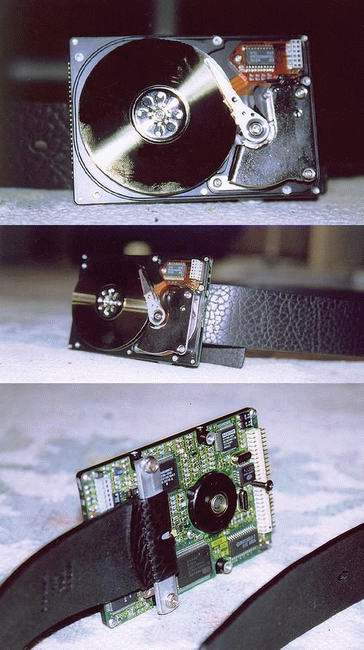 (images credit: exler) Your car will thank you: 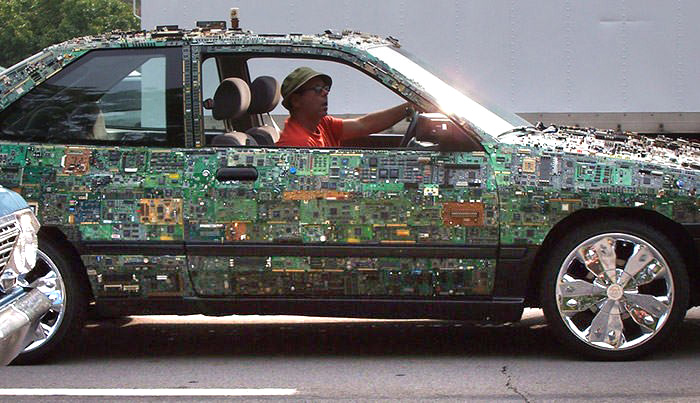 Keep your bread fresh: 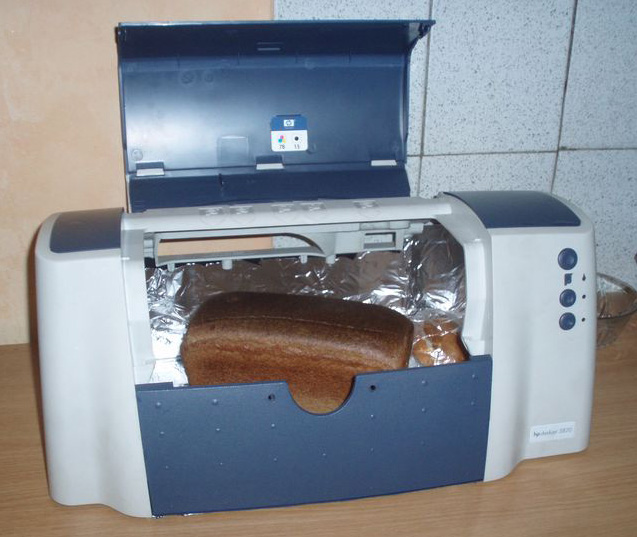 This CD chair can't be very comfortable... 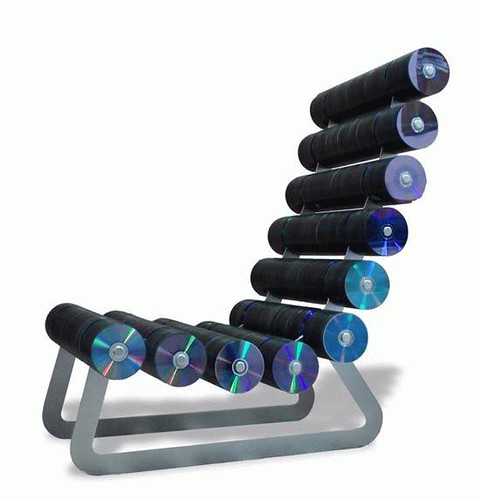 Take old parts from your printer, and... Ann Smith from BurrowBurrow knows exactly what to do with old electronic parts. Instead of gathering dust, her little creations brighten up the office and don't require any reason for existence other than "just because": 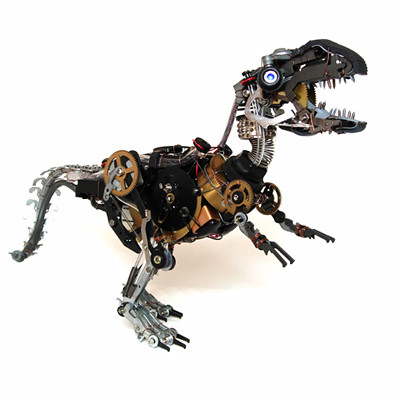 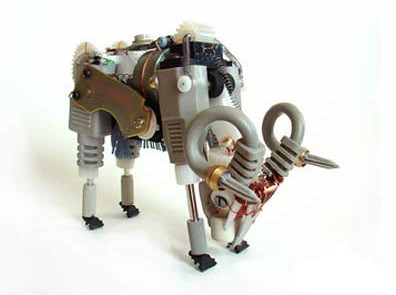 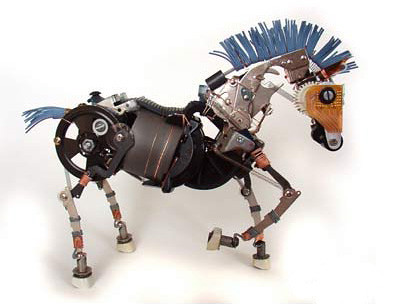 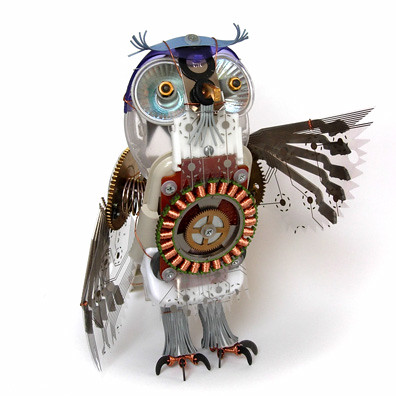 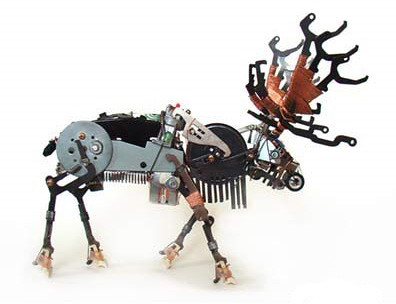 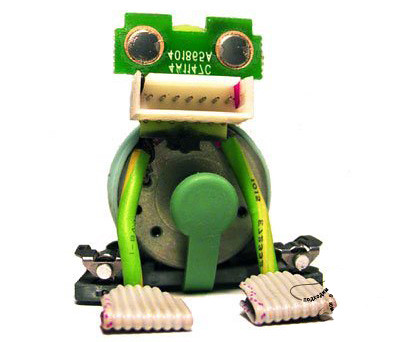 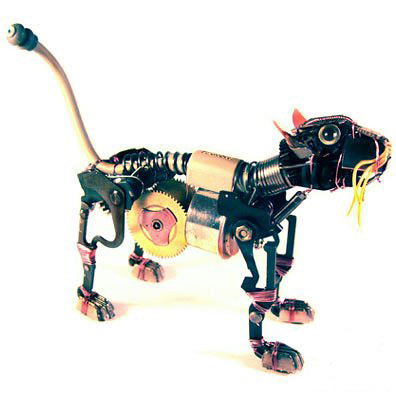  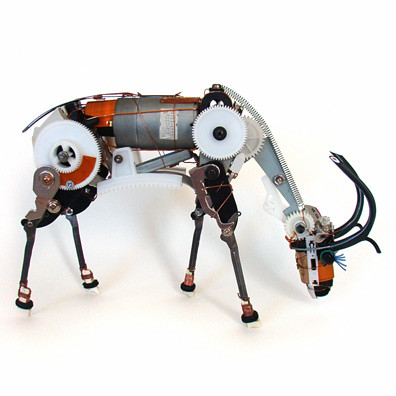 (images credit: Ann Smith, used by permission) Furniture & Design Ideas with Everyday Objects Lampshade made from the measuring tape: 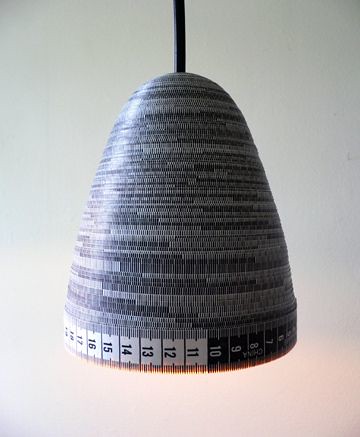 Reading Light with a "soul":  Salt & Pepper Hug: 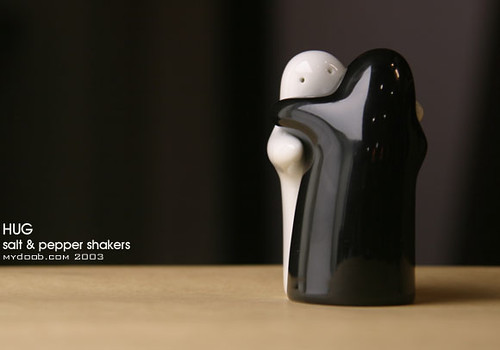 (images credit: mydoob.com) "Still life" photography master Maurice Scheltens has some gool ideas how to use mundane objects: A walkie-talkie "diva":  Finding new use for the old turntable? If it still rotates, why not put stuff on it and make groovy motion-blurred photographs? Here is one with a garbage bag, and the other one with some kind of an orange crate: 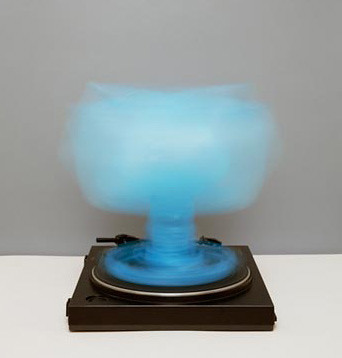 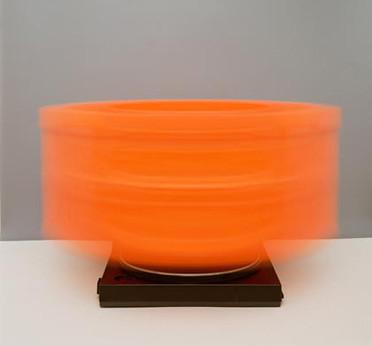 Create some kind of an extinct creature's skeleton with a bunch of cloth hangers: 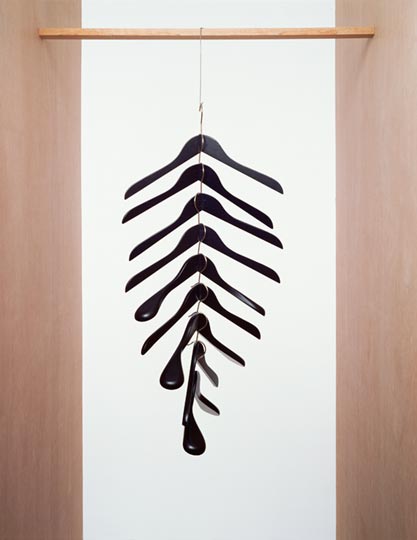 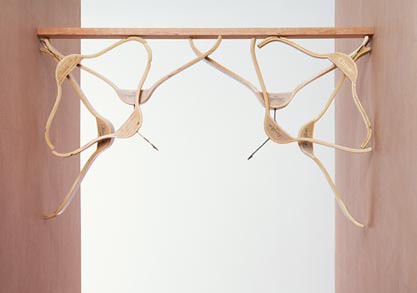 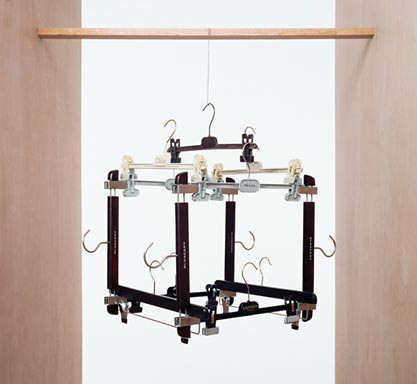 (images credit: Maurice Scheltens) Make wicked-looking spiders from scissors: (this link got popular, but worth revisiting. Check out the page detailing how to make these menacing creatures)  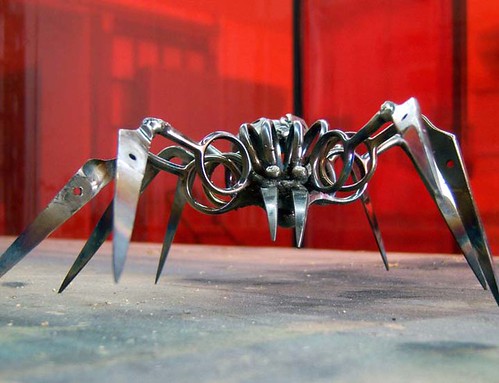 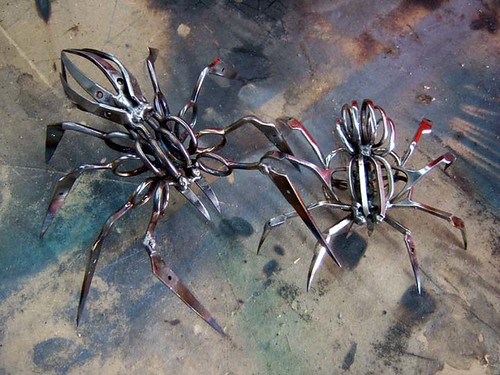 (image credit: Heartless Machine) Kosmotroniks - a new breed of robotic art, which moves, dances, jumps and flies around These restless guys can really move around, looking rather like vintage toys. They are built by the Dutch musician and artist Harry Arling (thanks Martijn Reneman for the tip) 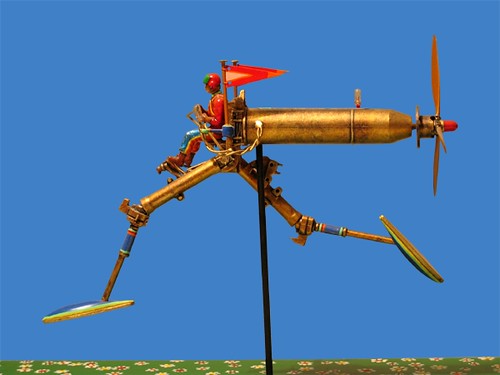 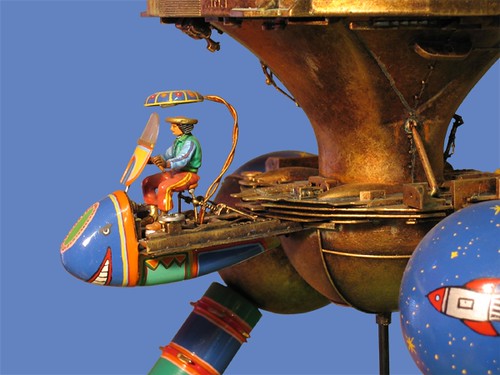 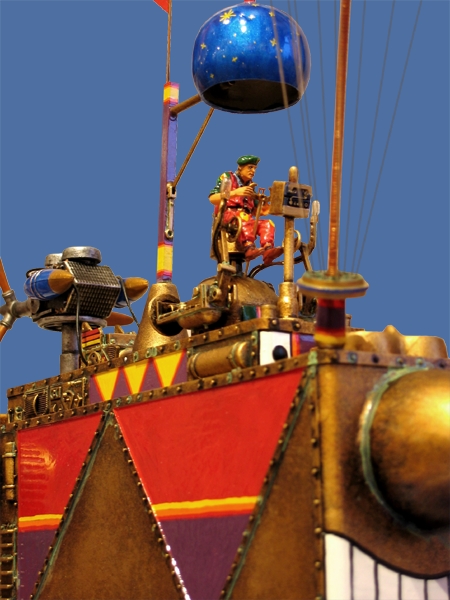 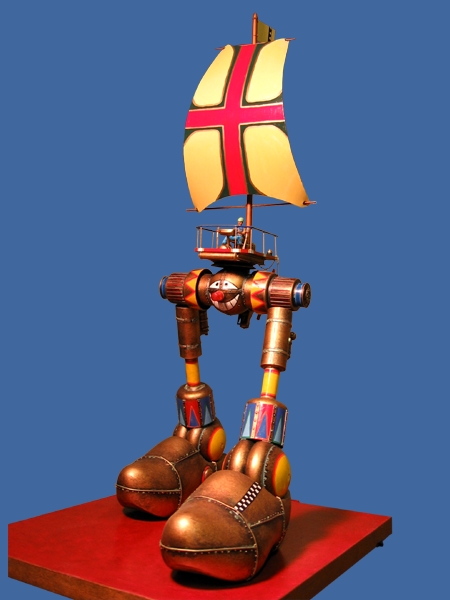 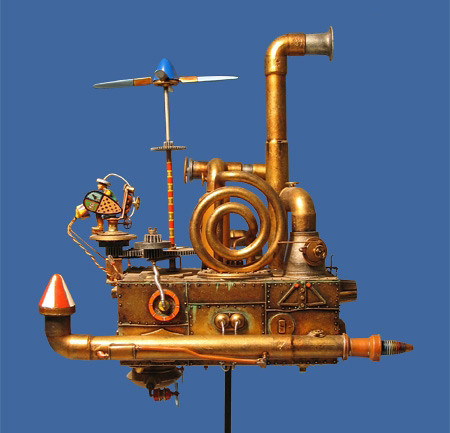 (images credit: Harry Arling) Tasteful Robotic Designs from France Eric Claverie not only creates whimsical robot structures, but he also has interesting ideas in furniture and interior design. Check out his endearing "robotic" lamps: 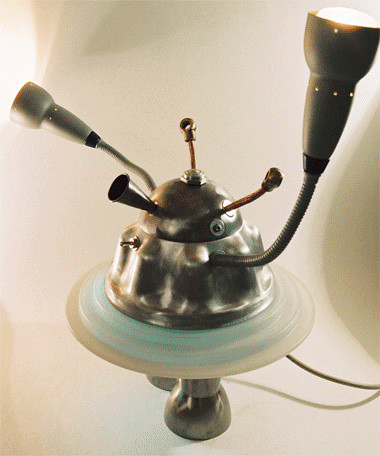 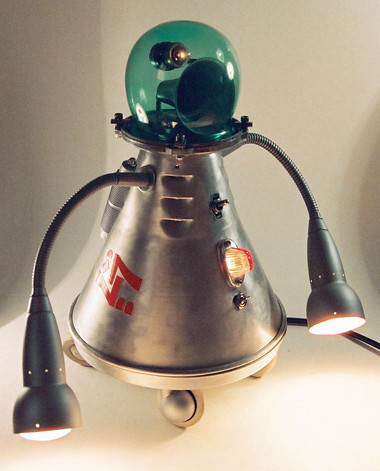 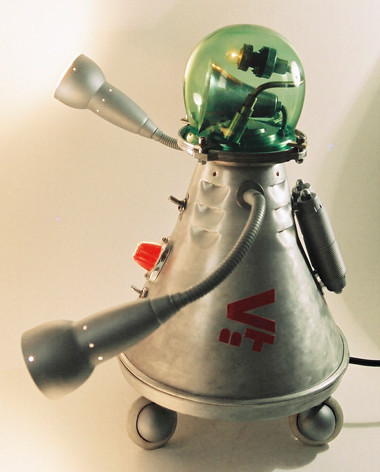 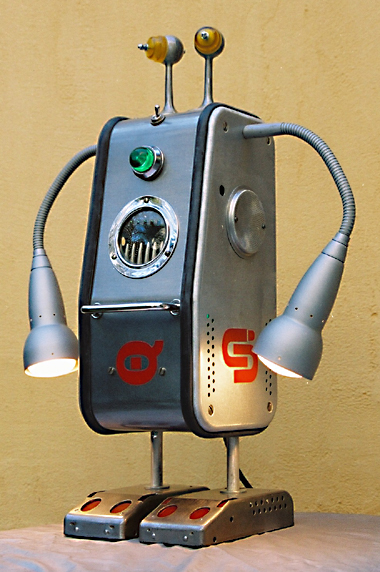 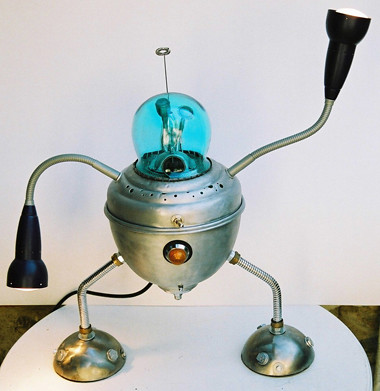 Look one of these cute robots in the eye, and you can be almost certain that it's smiling: 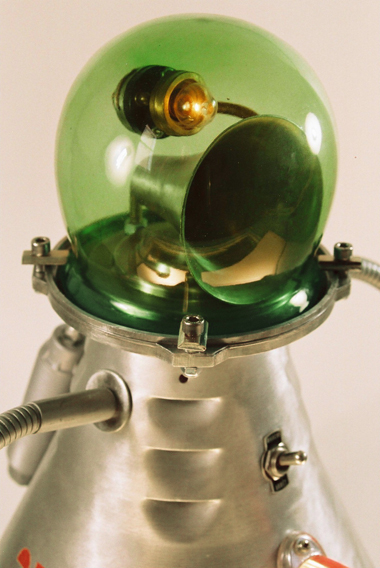 Nice "Mushroom Lamp": 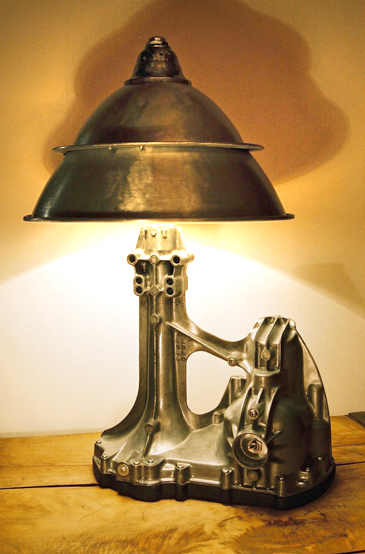 and a great post-industrial chess set: 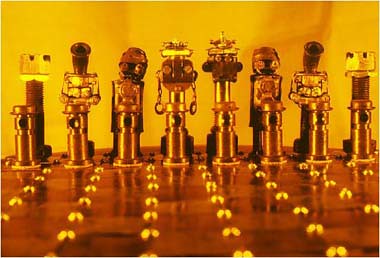 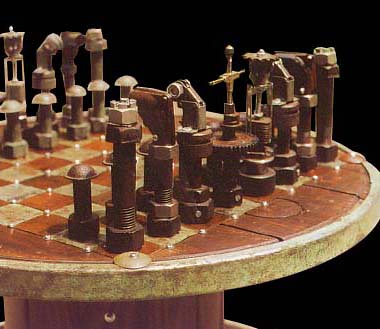 (images credit: Eric Claverie) So far most of the examples of "mixed media" art were quite charming. But not all of them are cute and adorable. Prepare yourself for the.... Post-Apocalyptic Beetles! Kosma Zrebiec dreamed up these giant beetles made from the discarded machine parts - battling each other somewhere in the middle of Polish countryside: 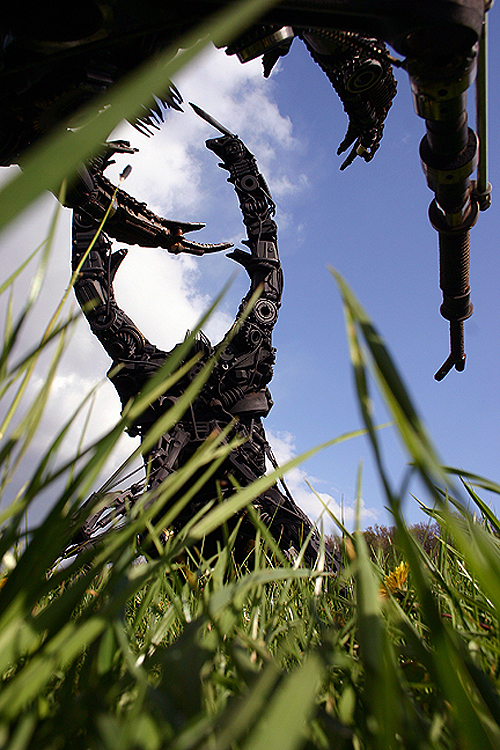 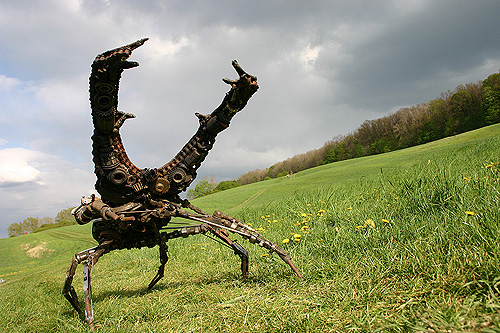 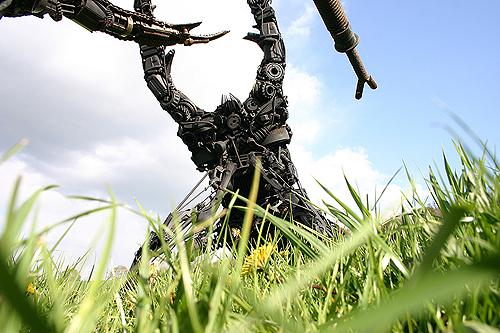   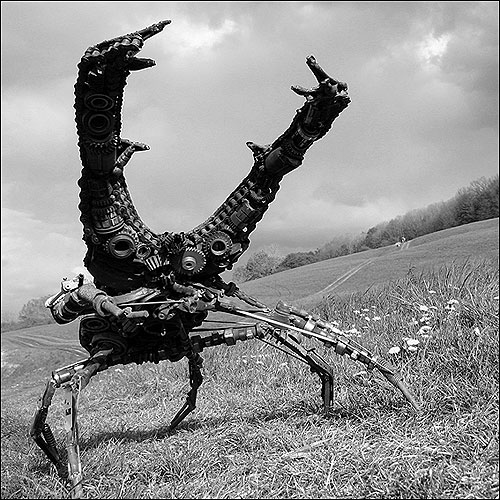 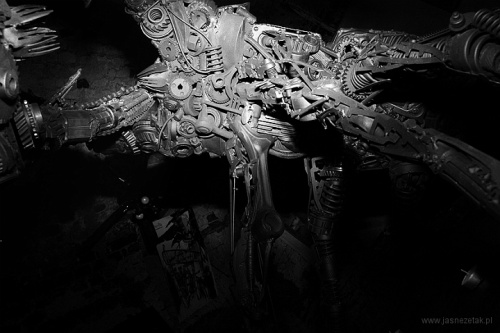 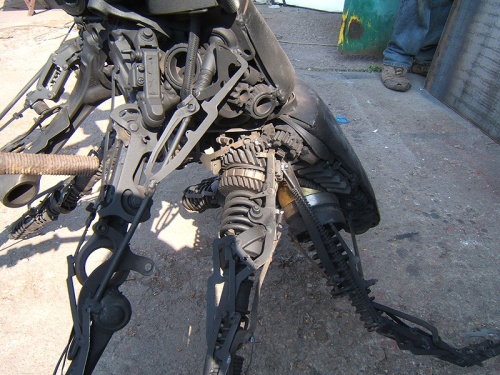 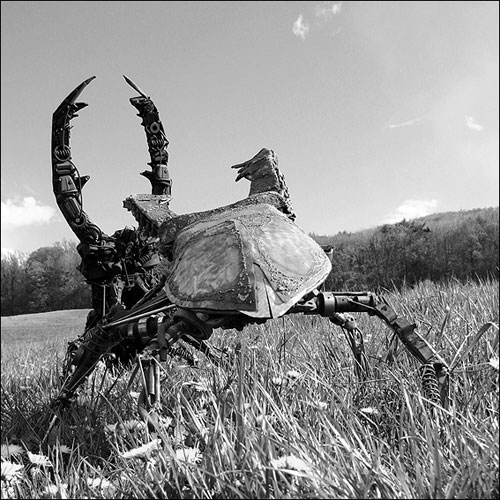 (images credit: Kosma Zrebiec) While their friends are taking care of the oceans:  and inconspicuously appear in the urban centers: 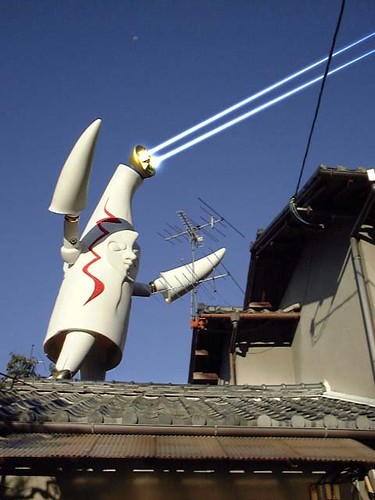  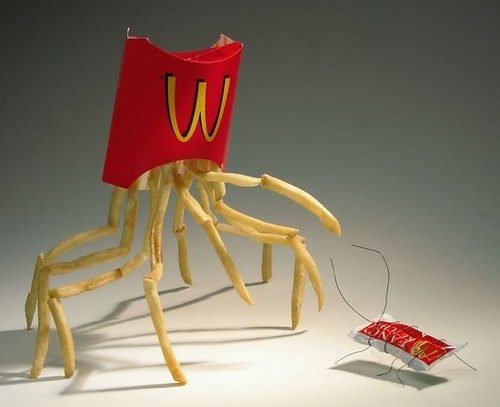 (image credit: Bent Objects) To counter all this, we recommend you drink some more beer and make fearsome beer-cap monsters to fend them off: 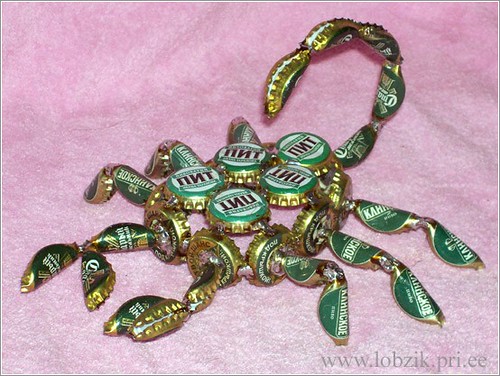 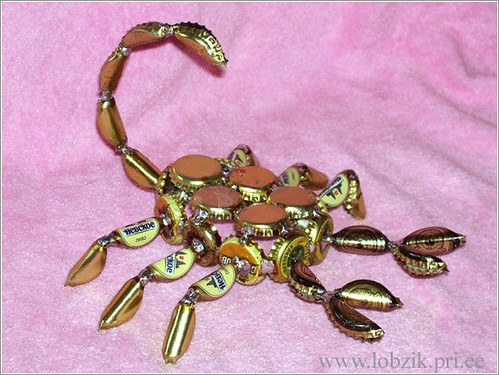 (images credit: lobzik) CONTINUE TO NEXT PART Permanent Link... Category: Art,Gadgets Related Posts: "Robotic Art" series (see parts 1, 2 & 3) Creative Recycling of your PC |
Scroll down for comments:
|
|
0
comments
 |
|
RECENT ARTICLES:

|
Visual Caffeine #8 Visual Caffeine, Issue 8 A thrilling blend of art, myths and technology |

|
Visual Caffeine #7 Visual Caffeine, Issue 7 A thrilling blend of art, myths and technology |

|
Art Deco Imperial Dreams: Art Deco Update Wings, Gears, & Glamorous Ladies |

|
1970s SciFi DRB Pics-of-the-Day Grand Space Adventure 1970s Art |
"Dark Roasted Blend" - All Kinds of Weird and Wonderful Things, Discovered Daily!"
DRB is a top-ranked and respected source for the best in art, travel and fascinating technology, with a highly eclectic presentation. Our in-depth articles in many categories make DRB a valued online magazine, bringing you quality info and entertainment every time you visit the site - About DRB
Connect with us and become part of DRB on Facebook and Twitter.
YOUR COMMENTS::
|
|

|
SF ART & BOOK REVIEWS: Don't miss: The Ultimate Guide to NEW SF&F Writers! Fiction Reviews: Classic Cyberpunk: Extreme Fiction Short Fiction Reviews: Lovecraft's "At the Mountains of Madness" (with pics) New Fiction Reviews: The Surreal Office |
READ OTHER RECENT ARTICLES:

|
Abandoned, Dieselpunk DRB Pic-of-the-Day Abandoned: Streamlined Three-wheeler |

|
Visual Caffeine #6 Visual Caffeine, Issue 6 A thrilling blend of art, myths and technology |

|
Visual Caffeine #5 Visual Caffeine, Issue 5 A thrilling blend of art, myths and technology |

|
Hellish Weather on Other Planets
Wild, Untamed, and Uncut |

|
Medieval Suits of Armor
Metal Body Suits vs. Weapons of Medieval Destruction |

|
World's Strangest Theme Parks
Amusement to the (twisted) extremes! |

|
Enchanting Victorian Fairy Tale Art
"Then world behind and home ahead..." |

|
Adorable Pedal Cars
Collectable Pedal Vehicles Showcase |

|
Japanese Arcades: Gundam Pods & Other Guilty Pleasures These machines have gone up to the next level |

|
Modernist Tallinn Architecture Delicious blend of old and new! |

|
Early Supercomputers: A Visual Overview "Computers in the future may weigh no more than 1.5 tons" |

|
Futuristic Concept Cars of the 1970-80s French, Italian & Japanese rare beauties |

|
Epic 1970s French Space Comic Art DRB Time-Slice: Valérian and Laureline |

|
The Trees Are Escaping! The Abandoned Prison in French Guiana "Great Escape" from the Devil's Island |
|
FULL ARCHIVES (with previews, fast loading): 2022/16 2015/14 2013 2012 2011 2010 2009 2008 2007 2006 Link Lattes Feel-Good & Biscotti Issues |
|
CATEGORIES:
Feel-Good! | airplanes | animals | architecture | art | auto | boats | books | cool ads | famous | futurism | food
gadgets | health | japan | internet | link latte | military | music | nature | photo | russia | steampunk
sci-fi & fantasy | signs | space | technology | trains | travel | vintage | weird | abandoned


0 Comments:
Post a Comment
<< Home